


Hearthstone
4.164.92K Reviews
App Specs
- Version
- 36.4.250339
- Updated On
- License
- Free
- Downloads
- 50,000,000+
- Developer
- Blizzard Entertainment, Inc.
- Categories
- Card
- Platform
- Android, iOS
Screenshots
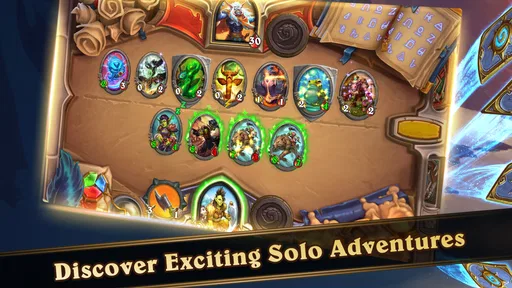
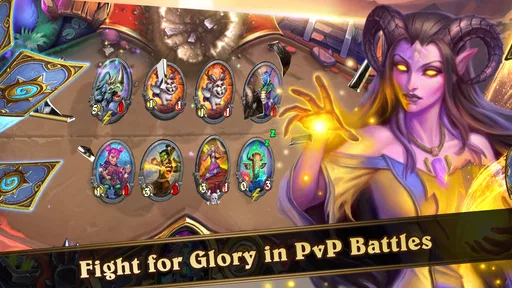
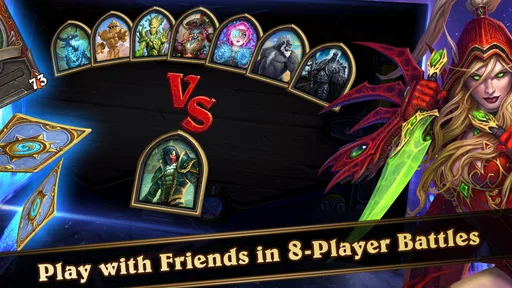
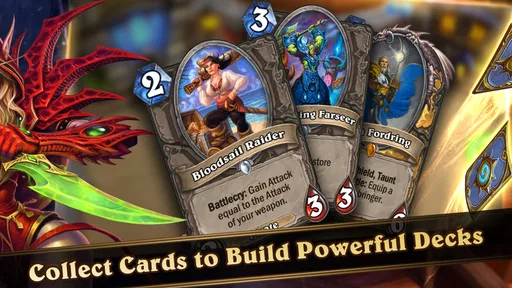
 Analysis by AppCompare
I tend to judge a mobile card game by two things: whether a match fits into a spare moment and whether the decisions still feel meaningful after the first few games. Hearthstone has a good answer to both. It’s a strategy card game with a lively fantasy presentation, but its lasting appeal comes from weighing your options, reading an opponent’s likely plan, and deciding when to take a risk. I’d recommend it to someone who enjoys thinking a turn ahead, though it is less appealing if you want a purely casual game with no learning curve or collection to manage.
How it feels in short sessions
Hearthstone is generally built around turns rather than real-time reactions, so I can pause to consider a play instead of needing quick fingers. That makes it easier to fit a match into a break than many action games. The pace still depends on both players: straightforward turns can move along briskly, while a close game with several possible plays takes longer. I wouldn’t start a match if I knew I had to leave at any moment, because a few spare minutes do not always guarantee a clean finish.
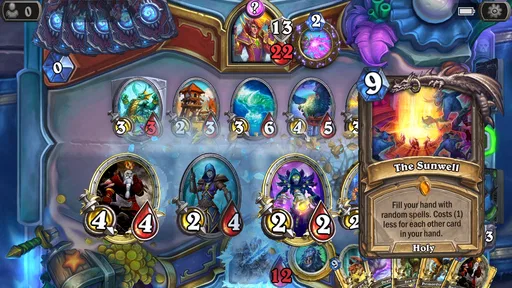
The game’s presentation helps make those turns feel lively. Cards, heroes, spells, and minions give the board a strong fantasy identity, while the interface keeps the main choices visible. In my experience, the best rhythm is to play when I can give the match a little attention, not while trying to split focus between several tasks. The decisions are approachable at first, but the more I learn about card interactions and timing, the more I notice that an apparently simple turn can have several consequences.
Guides and Analysis on Hearthstone
What to expect during demanding stretches
Hearthstone’s demands are not only about how quickly a match runs. A long stretch of play can also mean repeatedly evaluating cards, tracking what has already been used, and adjusting to unfamiliar strategies. That mental load is part of the appeal for me, but it can make a quick casual session feel more involved than expected. If I’m tired or distracted, I’m more likely to make a careless play and then realize a turn later what I should have saved.
Deck building adds another layer of investment. Choosing cards is not just a setup chore: it shapes what kinds of choices I’ll face once a match begins. I find it useful to change one or two cards at a time when experimenting, rather than rebuilding everything after a loss. That makes it easier to tell whether a tweak actually helps, and it prevents me from confusing a deck problem with a decision I made in the match. It’s a small habit, but it makes learning feel less random.
For a realistic everyday use, I’d play a match during a quiet lunch break or while unwinding at home, when I can finish without rushing. If I only have a short wait and might be interrupted, I’d use that time to think about a deck or watch how a game is unfolding only if those options are already part of my routine; I wouldn’t count on every match being a tiny commitment. The important trade-off is that Hearthstone can be easy to pick up while still asking for enough attention to reward a proper session.
Reliability and the value of attention
I can’t promise identical performance on every phone or network, and I would avoid treating a card game as automatically immune to interruptions. A dropped connection or an app closing at the wrong moment can be frustrating in any competitive match. My practical advice is simple: if a match matters to you, start it when your connection is steady and you are unlikely to need the phone for something else. That is less about fear of a particular fault and more about respecting the fact that a turn-based game still depends on the session staying available.
Worth Reading Before You Choose

Baby Panda World Brings Quick Play to Modern Phones, but Its Game Library Feels Busy

ESPN’s Live Game View Makes Following Close Games Easier

QuizzLand Review: A Good Fit for Short Trivia Breaks, Not Every Player

Basketball Stars: Multiplayer Is Fast, but Can It Recover When Matches Go Wrong?

WEBTOON Turns Phone Updates Into a Better Reading Routine

Link to Windows Runs on Shared Habits, Not Social Feeds
When returning to a game after being interrupted, first check what is happening on screen rather than tapping quickly through the next move. In a strategic match, a few seconds spent reorienting can be more useful than trying to recover the exact train of thought you had before looking away. This is also why I prefer to avoid playing while moving between places or doing something that needs immediate attention: the interface may be simple to read, but the strategic context can change with every turn.
Who will enjoy it, and who may not
Hearthstone is a strong fit for players who like collecting options, testing plans, and learning from losses. If you enjoy card games where a small decision can shape the rest of a match, its blend of accessible controls and deeper strategy has room to grow with you. Newcomers can start with the tutorial, while experienced card-game players may appreciate having a familiar turn-based structure presented with Blizzard Entertainment, Inc.’s Warcraft setting and polished fantasy style.
I’d be more cautious about recommending it to someone who dislikes competitive play, repeated experimentation, or the idea of managing a growing card collection. A free download does not mean every part of the experience has no cost: the game includes in-app purchases, with items priced from about fifty cents to two hundred dollars. I’d set a personal spending limit before buying anything and treat purchases as optional, especially if the fun for you is solving tactical problems rather than expanding a collection quickly.
Compared with simpler digital card games, Hearthstone puts more emphasis on its distinctive heroes, card interactions, and the process of shaping a deck around a plan. Compared with tabletop card play, it handles the board and rules digitally, which is convenient, but the opponent’s choices and the game’s own pacing still call for attention. If what you want is a calm solo puzzle with no competitive uncertainty, a dedicated puzzle game is likely a better fit. If you like adapting to another player, the uncertainty is exactly what keeps a match interesting.
Small habits that make learning easier
One useful way to improve is to review the turn you just finished before blaming the draw or the opponent’s deck. Ask whether you used a card because it was immediately available, or because it advanced the plan you had in mind. That distinction matters: a tempting play can solve the current problem while leaving no answer for the next one. I also try to notice which cards sit unused in my hand, since that can reveal that my deck needs adjustment or that I’m holding back too cautiously.
When trying a new hero or strategy, I’d keep expectations modest for the first few matches. Learning what a deck is meant to do often takes longer than learning which buttons to press. I find it more useful to identify one goal—such as making better use of a particular card combination—than to chase a perfect record. This turns a rough match into practical feedback and makes experimentation less discouraging. It also helps separate a genuine weakness in a plan from a single unlucky or poorly timed game.
The community can help with that learning, because players share approaches and discuss choices in forums, fan sites, and live streams. I’d use those conversations as inspiration rather than copy a deck without understanding it. A list that works for someone else may rely on cards I don’t have or suit a style I don’t enjoy. The more useful question is why a card belongs in a plan and what it replaces; thinking that through makes advice easier to adapt instead of treating a popular setup as a magic shortcut.
Performance expectations across devices
Hearthstone is available for devices running Android 9 or later, and the current version is 34.6.235290. Those details are helpful when checking compatibility, but they do not guarantee that every supported device will feel equally quick. Older or less capable phones can behave differently from newer ones, especially during visually busy moments or extended play. I’d keep the game updated and close other demanding apps if performance feels sluggish, then see whether the experience improves before assuming the game itself is the only cause.
Storage and battery are practical considerations for any substantial game, but I would not make a precise promise about how much space or power Hearthstone will use on a particular phone. If your device is already close to full or its battery is unreliable, check available space and charge before settling in for a longer session. That is particularly sensible when installing a game you expect to keep updated. For someone with an older device, trying it in a short session first is a better test than assuming a minimum operating-system version tells the whole story.
The game is free to start, rated Teen, and has been available since December 16, 2014. Its average rating is 4.1 from around two million ratings, and it has passed fifty million installs. Those figures suggest a large, established audience, but they cannot tell you whether its style or pace suits you personally. I’d treat the age rating as a useful family check, then consider the competitive nature and optional purchases as well when deciding whether it belongs on a shared device.
The Magical World of Hearthstone
When you first launch the game, you’re immediately transported into a world where spells, minions, and heroes come to life. Hearthstone is set in the Warcraft universe, so if you’re a fan, you’re in for a treat. The art style is vibrant and full of character, making it a joy just to look around and explore.
Getting Started
Starting off, the game is pretty welcoming. There’s a tutorial that eases you into the mechanics, so even if you’re new to card games, you won’t feel lost. You’ll learn how to summon minions, cast spells, and most importantly, outsmart your opponent. The interface is intuitive, and it’s easy to get the hang of things.
Choosing Your Hero
One of the coolest parts? You get to choose from a range of heroes, each with unique abilities and cards. Whether you fancy being a mighty warrior or a mystical mage, there’s something that will fit your playstyle. Personally, I’ve been having a blast with the Rogue, sneaking around and striking when the time is right.
Building Your Deck
Now, the heart of the game is in deck building. This is where strategy comes into play. You’ll need to carefully select your cards to create the perfect deck. It’s all about balance—having the right mix of spells, minions, and special cards. It’s like cooking; you need the right ingredients for that perfect dish.
Gameplay Experience
Matches are fast-paced and can get quite intense. You’ll be facing off against players from all over the world, so expect the unexpected. The thrill of pulling off a perfectly timed move or turning the tide of battle is incredibly satisfying. But beware, it’s equally thrilling and frustrating when your opponent does the same!
Regular Updates and Events
Blizzard, the game's developer, does a fantastic job keeping the game fresh. There are regular updates, new cards, and events that keep things exciting. Whether it’s the seasonal events or the introduction of a new expansion, there’s always something to look forward to.
Community Vibes
The Hearthstone community is active and welcoming. There are forums, fan sites, and live streams where players share tips, tricks, and strategies. It’s a great way to learn and improve your game while connecting with fellow enthusiasts.
In conclusion, if you’re looking for a game that combines strategy, fun, and a touch of magic, Hearthstone is definitely worth checking out. It’s easy to get into, challenging to master, and endlessly entertaining. So, why not give it a whirl and see if you have what it takes to become a Hearthstone legend?
Pros
- Engaging strategic gameplay.
- Regular updates with new content.
- Cross-platform play available.
- Easy to learn for new players.
- Diverse card collection options.
Cons
- In-app purchases can be pricey.
- Requires consistent internet connection.
- Some meta decks dominate play.
- Occasional long matchmaking times.
- Graphics can be demanding on older devices.
FAQs for Hearthstone
What is Hearthstone and how do I play it?
Hearthstone is a free-to-play online digital collectible card game developed by Blizzard Entertainment. Players can build decks from a large pool of cards, each with unique abilities and effects, to battle opponents in strategic turn-based matches. To start, you’ll need to choose a hero, construct a deck, and engage in battles to climb the ranks.
Is Hearthstone free to play?
Yes, Hearthstone is free to play. While the game offers in-app purchases for card packs, expansions, and hero skins, players can earn cards and packs through gameplay without spending money. The game’s economy allows players to enjoy it fully without making purchases, although spending can accelerate collection building.
What platforms is Hearthstone available on?
Hearthstone is available on multiple platforms, including Windows and macOS for desktop, as well as iOS and Android for mobile devices. This cross-platform availability ensures that you can play and sync your progress across different devices, allowing for a seamless gaming experience whether you’re at home or on the go.
Do I need an internet connection to play Hearthstone?
Yes, an active internet connection is required to play Hearthstone. The game relies on online servers for matchmaking, card collection management, and updates. A stable connection ensures smooth gameplay and access to all available features, including the ability to challenge friends and participate in ranked matches.
Can I play Hearthstone with friends?
Absolutely! Hearthstone allows you to add friends and challenge them to friendly matches. You can also spectate their games and share strategies. This social aspect of Hearthstone enhances the experience by allowing you to enjoy games with friends and learn from each other’s playstyles.


